
Santa Cruz Monarch Butterfly Migration: Why This Journey Captivates America’s Attention
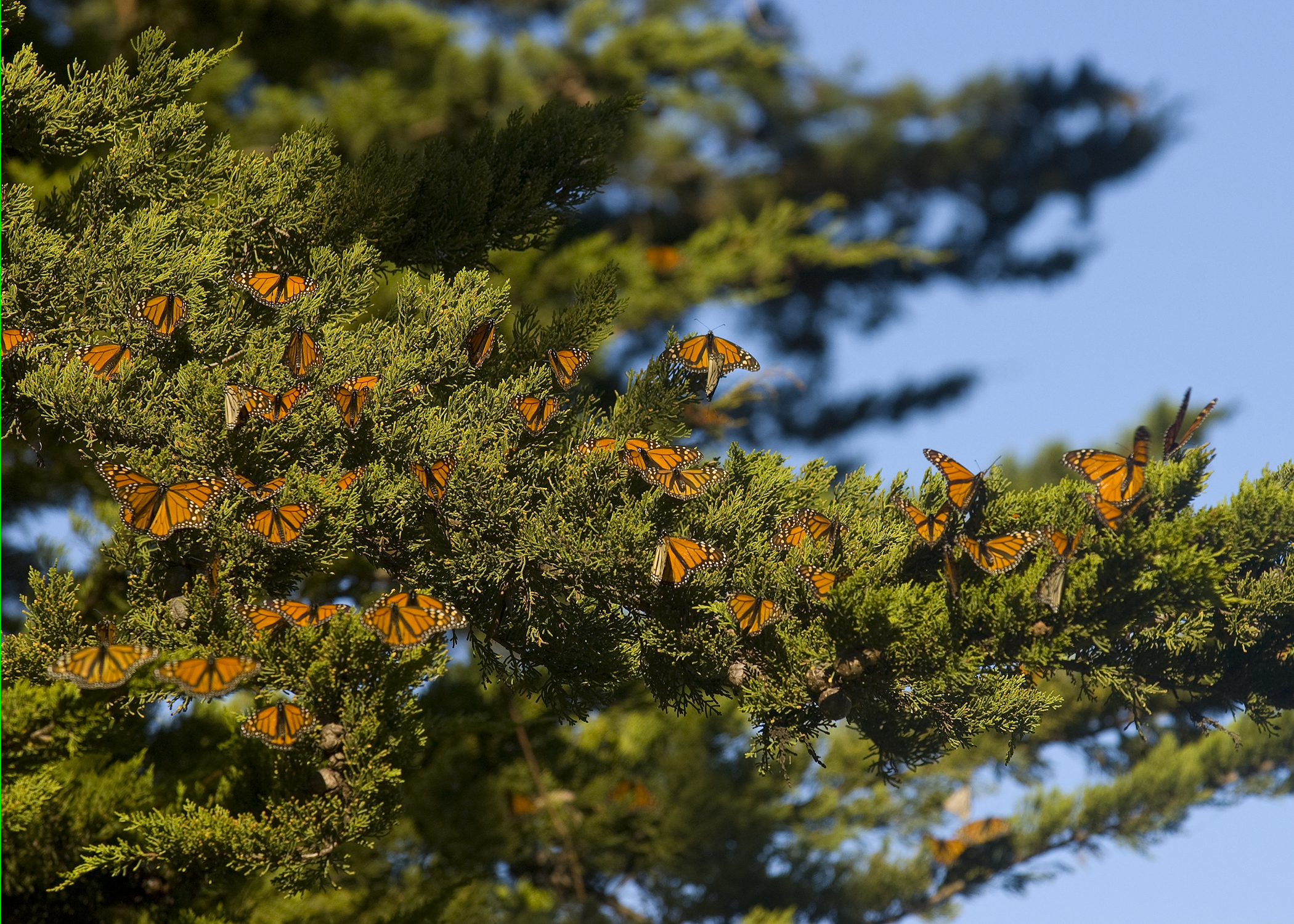
Every fall, a quiet natural spectacle stirs quiet awe across the United States: the migration of the Santa Cruz Monarch Butterfly. While the overwintering colonies in California’s coastal regions have long been revered, recent shifts in public awareness, climate studies, and digital storytelling are giving the phenomenon fresh momentum—drawing attention from nature lovers, scientists, and curious travelers alike.
Why is this migration drawing wider interest now? Changing patterns in climate and habitat have sparked renewed focus on monarch movement. The Monarch Butterfly Migration along the Santa Cruz corridor highlights not just a seasonal journey, but a fragile ecosystem in motion—one deeply tied to conservation, biodiversity, and environmental change. This blend of beauty and urgency makes the migration a natural topic in today’s growing dialogue about nature’s resilience.
How the Monarchs’ Migration Through Santa Cruz Actually Works
The migration is driven by seasonal instincts: monarchs travel from northern breeding grounds to cooler microclimates along California’s Pacific coast, where they form dense clusters in oyamel fir forests and coastal oases. Along Santa Cruz’s mild, inland slopes and nearby wetlands, butterflies rely on specific native nectar plants and sheltered habitats to rest and refuel. This annual route—often undertaken in just a few weeks—reflects a survival strategy shaped by generations of instinct and genetic memory. Visualizing their journey reveals not just a flight, but a carefully guided seasonal rhythm shaped by weather patterns and food availability.
Frequently Asked Questions
Q: Do all monarchs migrate?
Not all. The iconic eastern population becomes famous for long-distance migration, but the western migrating cohort—including those crossing Santa Cruz—typically travels shorter routes focused on coastal and inland habitats, prioritizing survival over long-distance travel.
Q: When exactly does the migration peak?
Typically from late September through November, peaking in October, when temperatures cool and daylight shifts prompt movement. Local timing varies yearly based on weather and nectar plant cycles.
Q: What habitats support migrating monarchs in Santa Cruz?
Urban gardens with milkweed, coastal scrub, river valleys, and preserved wildlife areas provide essential nectar sources and safe resting spots during their transit.
Q: Are monarch populations stable?
After decades of decline, recent conservation efforts and public involvement in native planting have sparked cautious recovery. The Santa Cruz corridor remains a critical waypoint, with monitoring revealing steady, though modest, increases in seasonal presence. Acupuncture Skokie
Opportunities and Realistic Considerations
The rising interest presents unique opportunities—education, eco-tourism, and conservation engagement thrive when people understand this migration’s role in broader environmental health. Yet challenges remain: habitat fragmentation, climate variability, and urban development threaten migration corridors. Village Of Skokie Garbage Pickup Transparent communication about these realities builds trust and supports informed stewardship, making the migration not just a spectacle, but a call to action.
Misconceptions and Clarifications
A common misunderstanding is that all monarchs fly all the way to Mexico. In reality, the Santa Cruz migration consists of a distinct regional cluster adapting to local conditions, not a single long-haul flight. Another myth suggests butterflies die after migration—yet, favorable stopover conditions allow rest and feeding, with some returning the following spring in a remarkable life cycle. These nuances matter for public understanding and trust.
Who Benefits from Awareness of Santa Cruz Migration?
Nature enthusiasts seeking inspiration for seasonal viewing or garden planning can deepen engagement with documented migration patterns. Conservation organizations use the migration as a gateway to habitat restoration efforts. Landowners and local communities find value in preserving migratory corridors as part of regional heritage. For casual observers, learning about this journey fosters connection to place and seasonal rhythms.
A Gentle Invitation to Explore
Understanding the Santa Cruz Monarch Butterfly Migration invites curiosity without pressure—offering a shared story of movement, survival, and hope. As climate and biodiversity concerns grow, staying informed about this migration supports broader environmental awareness and community action. Whether visiting coastal trails, planting native flowers, or tracking seasonal updates, each step strengthens the network that sustains these remarkable travelers. Let this migration be a quiet reminder of nature’s resilience—and our shared role in shaping its future.



![[Name] Photos](https://irp.cdn-website.com/c89b5654/dms3rep/multi/Santa+Cruz+Monarch+Butterflies.jpg)


